Maitama to Gwarinpa: reading Abuja demand without the hype
Digit Properties Editorial · 16 September 2026
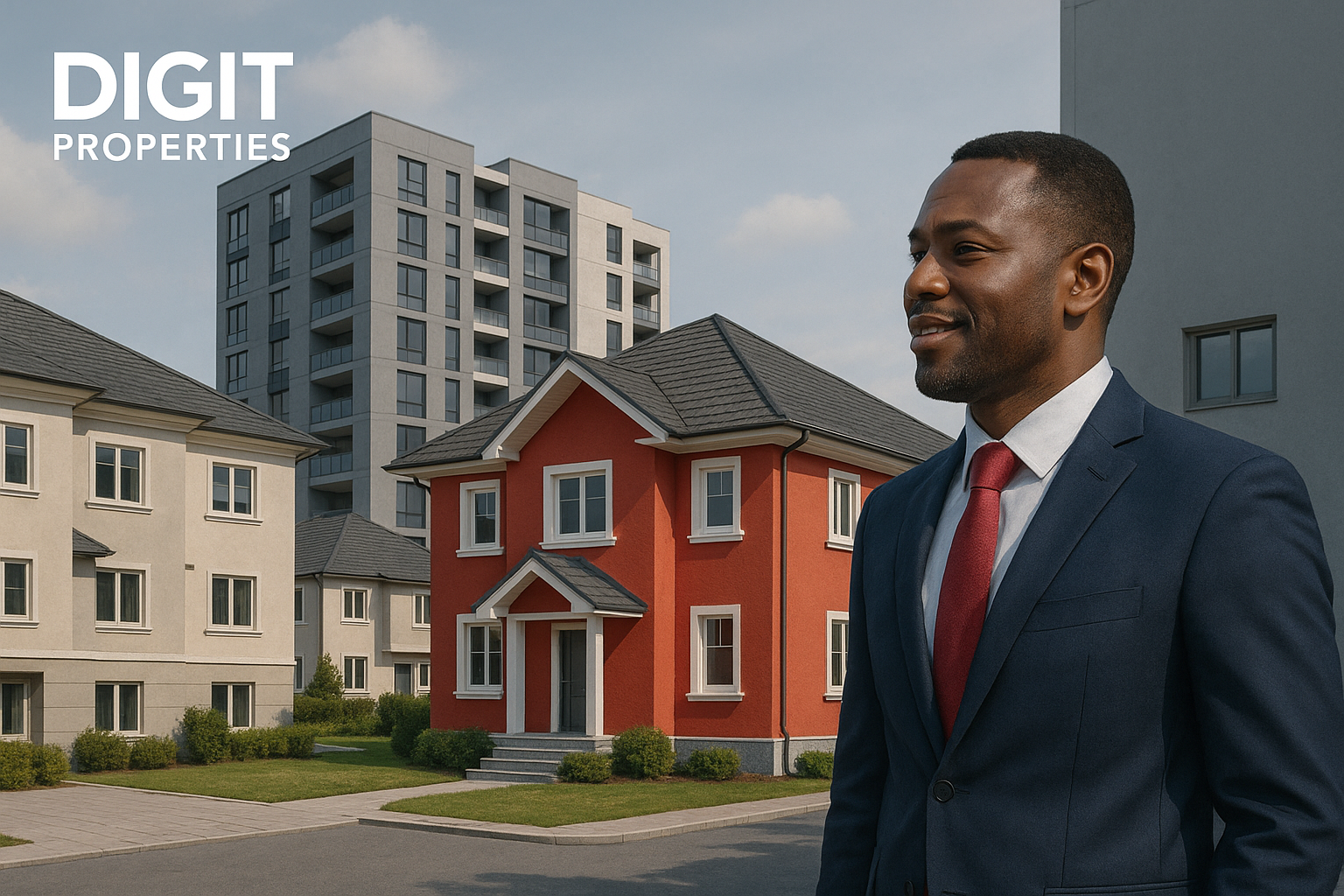
AI-generated image for Digit Properties editorial useOriginal AI-generated asset created for Digit Properties.
Abuja's real estate market is showing distinct trends that potential buyers should be aware of. Here’s a closer look at the latest developments.
As Abuja continues to evolve as Nigeria's capital, its real estate market presents both opportunities and challenges for buyers. Understanding these dynamics is crucial for anyone looking to invest or rent in this vibrant city.
The Growing Demand for Residential Properties
The demand for residential properties in Abuja remains strong, particularly among young professionals and families seeking quality housing. The Federal Capital Territory (FCT) has seen consistent growth due to migration from other regions of Nigeria, driven by job opportunities and improved infrastructure.
Types of Housing in High Demand
- Apartments: With urbanization on the rise, many buyers prefer apartments that offer convenience and security.
- Detached Houses: There’s also a steady interest in standalone houses, especially in family-friendly neighborhoods such as Jabi and Wuse.
- Luxury Developments: Upscale options are increasingly appealing to affluent Nigerians returning home or expatriates relocating to Abuja.
Sustainability Takes Center Stage
As global awareness of environmental issues increases, sustainability has become an important consideration for developers. Many new projects incorporate eco-friendly designs that appeal not only to environmentally-conscious buyers but also meet emerging regulatory requirements from the government.
"Sustainable architecture integrates energy efficiency with aesthetic design, enhancing property value while benefiting the environment." - Source: [UPDC](https://www.updcplc.com)
Price Trends Worth Noting
Current data shows varied pricing across different sectors of the Abuja market:
- Apartments: Prices can range significantly depending on location, with average costs around ₦80 million to ₦150 million per unit.
- Detached Houses: These properties typically start from ₦60 million upwards based on size and area amenities.
The Impact of Infrastructure Development
A major driver behind property values in Abuja is ongoing infrastructure development. Projects like road expansions and public transport enhancements continue to make certain areas more desirable than others. For example, regions near new metro lines or business hubs are seeing increased interest from buyers who recognize their potential long-term value.
Owners & landlords
Sell or Rent your Property for FREE!
Have a house, land, or apartment for sale or lease? Go live in minutes. No listing fees.